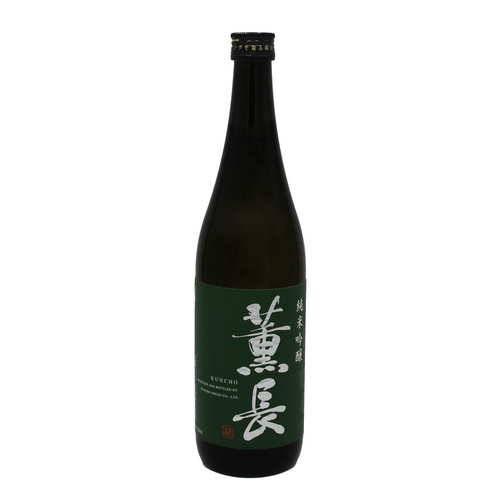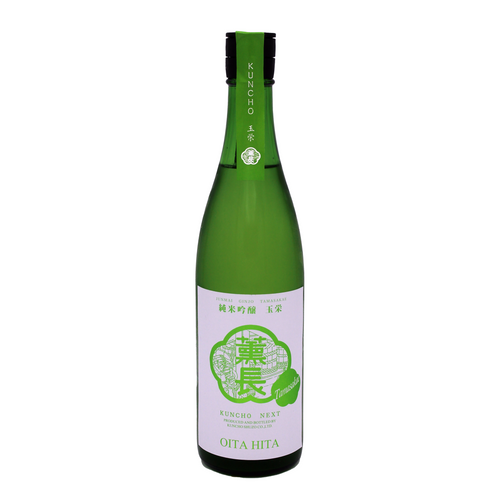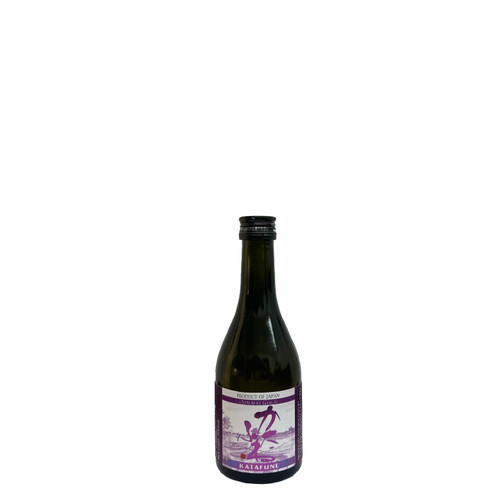


The Nose:
Medium intensity. It is categorized by cereal, starch, and steamed rice aromas rather than fruit. There is often a distinct savory/soy note when served at room temperature.
The Palate:
Umami-driven. It features a "classic" sake taste—punchy and robust with subtle citrus acidity.
The "Kuncho Style":
Unlike modern breweries that use highly engineered yeasts for "apple/pear" scents, Kuncho uses traditional yeasts that prioritize a long, dry finish that doesn't fatigue the palate
Rice Variety: Blend of Toyama Gohyakumangoku (for the koji) and Oita Hinohikari (a local table rice used as the kakemai).
Polishing Ratio (Seimaibuai): 65%. This leaves more of the rice's outer fats and proteins, resulting in a more savory, "rice-forward" profile compared to their Ginjos.
Alcohol Content: 15%.
SMV (Sake Meter Value): Usually hovers around +1 to +3 (leaning dry but with a perceived sweetness from the rice solids).
Acidity: Approximately 1.4 – 1.6, providing a clean, structure-defining finish.
In Japan, Kuncho Junmai is frequently cited as a "Kan-zake" (Warm Sake) champion.
Temperature:
While it is "cleaner" chilled, heating it to 40°C–45°C (Nurukan) rounds off the acidic edges and allows the Hinohikari rice’s natural sweetness to bloom.
- Brewery:
- Kuncho Sake Brewery
- Location:
- OITA
- Sake Rice Variety:
- Toyama Gohyakumangoku / Oita Hinohikari
- Style:
- Junmai
- Rice Polishing Ratio:
- 0.6
- ABV:
- 0.15
- Volume:
- 300ml
- Ingredients:
- Rice, Koji, Water